Reviewed by the Penny Time editorial team
Part of our Money Skills hub.
Financial Literacy Games for Kids That They'll Actually Play
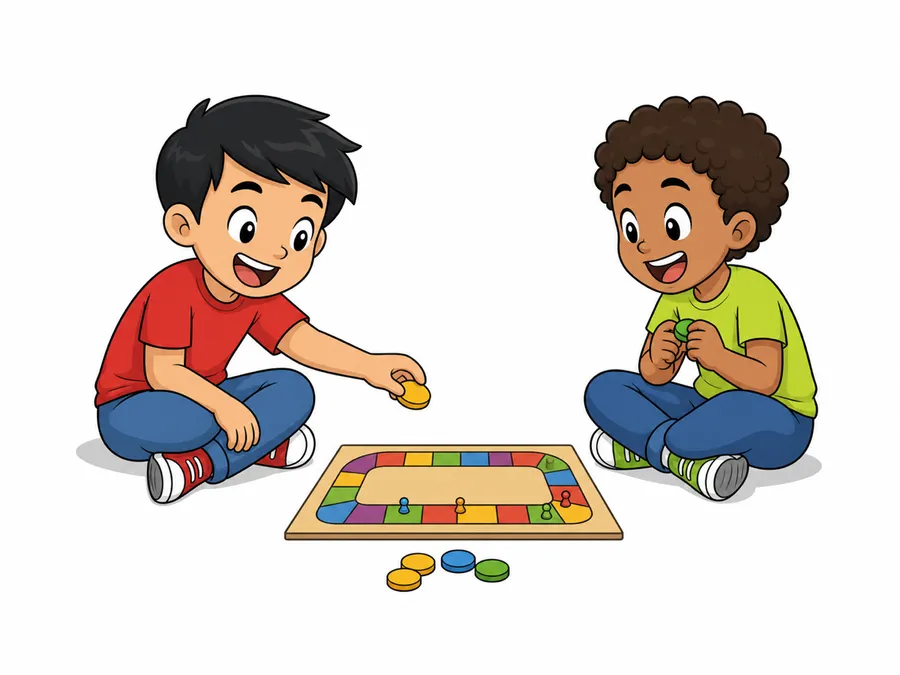
Most lists of financial literacy games for kids send you to print-and-cut worksheets or board games gathering dust in a closet. Below you can play one in your browser right now, no signup and no download. After that, you get 12 games sorted by age, plus the research on why hands-on money play sticks better than a lecture.
Why games beat money talks
A University of Cambridge study funded by the UK Money Advice Service found that children's money habits are largely formed by age 7. Telling a 6-year-old to "save for the future" does not land, because the future is an abstract idea they cannot picture. A game makes the trade-off concrete: spend the coin now on the toy, or drop it in the jar and watch the total climb.
The Consumer Financial Protection Bureau (CFPB) reached a similar conclusion in its Money as You Grow research. The agency recommends "executive function" practice, which means letting kids make small choices, feel the result, and try again. Games give you that loop without real money on the line.
What makes a money game actually get played
- Short rounds. Kids under 10 disengage after a few minutes. Pick games with a clear end.
- Real decisions. Spinning a wheel teaches luck. Choosing between two purchases teaches trade-offs.
- Visible progress. A growing jar, a filling bar, or a tally beats an abstract score.
- A tie to real money. The best results come when the game connects to a real allowance or chore payout.
Games by age
Ages 3 to 5: coin recognition and trading
| Game | What it teaches | Setup |
|---|---|---|
| Coin sorting race | Naming coins, sorting by size and color | A muffin tin and a handful of real coins |
| Pretend store | Money is traded for things, not free | Pantry items with paper price tags |
| Three jars | Save, spend, share buckets | Three clear jars and stickers |
At this age the goal is simple: money is a limited thing you trade. Keep rounds under five minutes.
Ages 6 to 9: trade-offs and saving
This is the window the Cambridge study flagged as critical. Kids can now hold a goal in mind and wait for it. Try these:
- The $5 challenge. Hand over five one-dollar bills and a toy catalog. They must choose, and they cannot have everything. The hard "no" is the lesson.
- Save-to-goal race. Pick a small reward and track every deposit on paper. Our kids budget planner turns this into a printable tracker.
- Chore market. Post a few paid jobs at set prices and let kids "shop" for work. Our chore chart handles the pricing and tracking.
- Wants vs needs sort. Deal out cards (snack, shoes, video game, water) and sort them into two piles. Walk through the gray-area ones with our wants vs needs guide.
Ages 10 to 13: budgeting and interest
| Game | Skill |
|---|---|
| Grocery budget run | Plan a meal under a fixed dollar cap |
| Allowance negotiation | Make a case, set a fair rate |
| Compound interest bet | See how a saved dollar grows over a year |
Tweens can handle real numbers. Show them how birthday cash adds up over time with the birthday money calculator, or set a fair weekly rate using the allowance calculator.
The money jar game (play it now)
The embedded game above gives your child a weekly coin and three jars: spend, save, and share. Each round they decide where the coin goes. Spend it and the toy is theirs today. Save it and the jar grows toward a bigger prize. Share it and a small thank-you appears. There is no wrong answer, only consequences they can see, which is exactly the executive-function practice the CFPB points to.
Play it for three or four rounds, then ask one question: "Why did you put it there?" The reasoning matters more than the choice. A kid who can explain a trade-off is building the habit that the Cambridge researchers say sets in by age 7.
Turning a game into a habit
A single game session fades. The research is clear that repetition and a tie to real money is what makes it stick. Three steps:
- Run it weekly. Pair the jar game with a real allowance payout on the same day.
- Let them lose. If they blow the whole allowance on candy, do not bail them out. The empty jar on Wednesday teaches more than any rule.
- Name the skill. When they save for a goal, say "that was saving for a goal," so they have a word for what they did.
Money games work because they let kids practice real decisions in a low-stakes space. Start with the jar game above, pick one game from your child's age band, and run it every week. The habit forms long before the lecture would have landed.
Frequently Asked Questions
-
Start as early as age 3 with simple coin-sorting and trading games. A University of Cambridge study found that core money habits are largely set by age 7, so the years from 3 to 7 matter most. Keep early games short and focused on the idea that money is traded for things.
-
They help when the game involves real decisions with visible consequences, not just spinning a wheel. The Consumer Financial Protection Bureau recommends letting kids make small choices and feel the result, which is exactly what a trade-off game provides. The effect is strongest when the game is paired with a real allowance.
-
A lesson tells a child what to do, while a game lets them choose and live with the outcome. Telling a 6-year-old to save for the future rarely works because the future is abstract to them. A game makes the choice concrete: spend the coin now or drop it in the jar and watch the total grow.
-
Once a week works well, ideally on the same day a real allowance is paid out. Repetition and a link to real money are what turn a one-time game into a lasting habit. A single session fades, but a weekly routine builds the decision-making muscle over time.
-
Ask why they made the choice they did, not whether it was right. A child who can explain a trade-off is building the reasoning skill that research links to good money habits. The explanation matters more than the decision itself.

Raise kids who understand how money works
Download Penny Time


No credit card. No ads. No strings.
Put this into practice this week
Penny Time turns allowance into a real balance your child tracks on their own device, with your approval on every cash-out. Free for the whole family.